

Drs. Michael Shwartzstein and Robyn Croutch bring over 45 years of experience to their chiropractic practice, focusing on holistic care for brain and body health. Inspired by a close friend’s son with ADHD, they integrated BrainCore Neurofeedback, achieving life-changing results for patients with autism, anxiety, and attention challenges. Dr. Croutch holds Dr. Amen’s Brain Health Professional Certification, and they also use thermography for early health detection. Together, they provide compassionate, comprehensive care for whole-body wellness.
Most people think of chiropractic care as something you do for back or neck pain. But what many don’t realize is that chiropractic care also has a powerful effect on your nervous system, which means it can help with much more than physical discomfort.
If you find yourself feeling tense, anxious, or overwhelmed, your spine may be playing a bigger role than you think. The same nervous system that controls your muscles and organs also regulates your stress response. When that system is out of balance, it can make it harder to relax, sleep, or stay calm even when nothing is “wrong.”
Chiropractic care helps restore balance to the nervous system, allowing your body to shift out of survival mode and into a calmer, more relaxed state.
Understanding the Stress Response
Your body is designed to handle short bursts of stress. When something feels threatening or urgent, your brain activates the fight or flight response, releasing adrenaline and cortisol to help you react quickly.
The problem is that modern life keeps many of us in this state all the time. Constant deadlines, emotional strain, poor posture, and even screen time can keep the nervous system locked in overdrive. This ongoing activation leads to tension, fatigue, anxiety, digestive problems, and eventually inflammation or pain.
The longer your body stays in this high-alert mode, the harder it becomes to turn it off. This is why even when the stressful moment has passed, your shoulders stay tight, your heart races, or your mind keeps spinning.
The Nervous System Connection
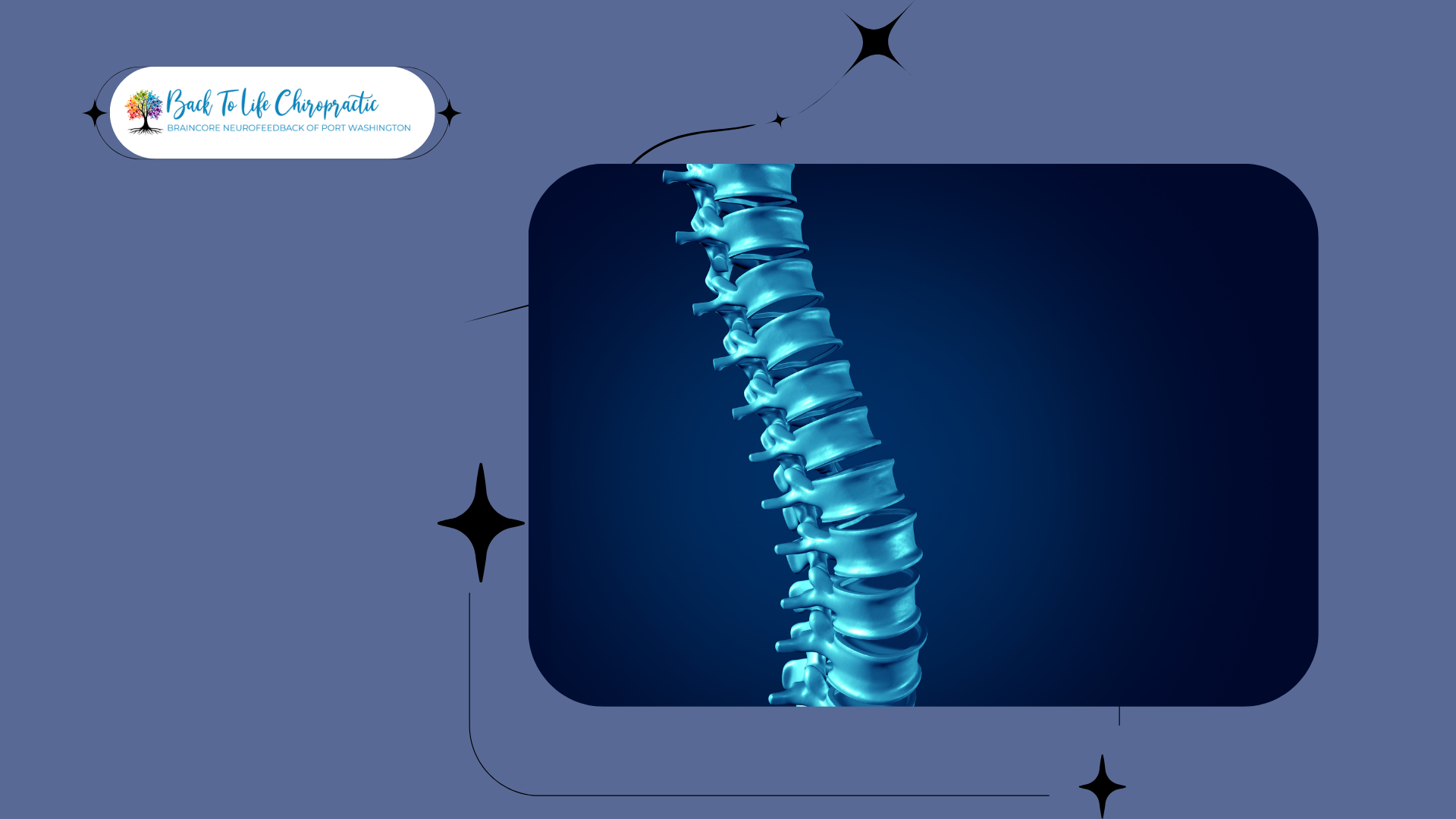
Your spine is more than just a structural support for your body. It houses and protects the spinal cord, which is the communication highway between your brain and every organ, tissue, and muscle.
When vertebrae in the spine become misaligned or restricted, they can create interference in the nervous system. This interference can cause signals to become distorted, keeping your body stuck in stress mode even when there is no actual threat.
Think of it like static on a phone line. The brain and body are trying to communicate, but the message is unclear. This miscommunication can trigger both physical tension and emotional imbalance.
Chiropractic adjustments restore that communication by improving alignment and motion in the spine. When the spine moves properly, the nervous system can regulate more effectively, allowing your body to calm down and function as it should.
How Chiropractic Care Helps Ease Stress and Anxiety
Every chiropractic adjustment sends calming input to the nervous system. When pressure and tension are released from the spine, your body receives a signal that it is safe to relax.
Here is what many patients notice after regular chiropractic care:
- Less tension in the neck, shoulders, and jaw
• Fewer headaches or tension-related pain
• Improved sleep and deeper relaxation
• More energy and focus during the day
• A general sense of calm and emotional balance
These changes happen because the body is shifting out of fight or flight mode and back into rest and digest mode, where healing and recovery occur.
For people who have been living with chronic stress or anxiety, this shift can be life-changing. It helps retrain the body to respond differently to daily pressures, making it easier to stay grounded and centered even during busy or stressful times.
The Role of Posture and Breathing
Stress and posture are more connected than most people realize. When you are tense or anxious, your posture often changes, shoulders roll forward, breathing becomes shallow, and your chest tightens. This posture signals the brain that you are in danger, which keeps the stress response active.
Chiropractic adjustments help restore alignment and open up the chest and ribcage, allowing you to breathe more fully. As breathing deepens, oxygen increases, and the brain receives the message that it can relax.
It’s a simple but powerful loop: better alignment supports better breathing, which helps calm the nervous system and reduce anxiety.
Combining Chiropractic Care with BrainCore Neurofeedback
At Back to Life Chiropractic and BrainCore Neurofeedback, we see incredible results when chiropractic care and neurofeedback are combined.
While chiropractic care helps balance the communication between the brain and body, neurofeedback works directly with the brain’s electrical patterns to support emotional regulation and stress resilience.
Neurofeedback trains the brain to recognize when it is in an overactive or anxious state and teaches it how to return to calm. Together, these two therapies create a powerful foundation for nervous system balance, helping patients feel calmer, sleep better, and respond to life’s challenges with greater ease.
Lifestyle Habits That Support Relaxation
Chiropractic care helps reset your nervous system, but daily habits play an important role in maintaining that balance. Here are a few simple ways to support relaxation and reduce stress naturally:
- Move your body regularly. Gentle stretching, walking, or yoga help release tension and support spinal mobility.
- Practice mindful breathing. Even a few minutes of deep breathing can reduce heart rate and calm the mind.
- Create a consistent sleep routine. Your body and brain recover best when you keep regular sleep and wake times.
- Stay hydrated and nourish your body with whole, unprocessed foods. The nervous system functions best when properly fueled.
- Limit screen time, especially before bed, to reduce overstimulation of the brain.
- Make time for small joys each day. Laughter, music, and time outdoors all help reset your stress response.
These habits work hand in hand with chiropractic adjustments to support a more peaceful and balanced nervous system.
What Patients Often Experience
After a series of chiropractic visits, many patients describe feeling lighter, calmer, and more present. Their bodies move more freely, and their minds quiet down more easily.
Some notice they no longer clench their jaw or hold their breath throughout the day. Others find their sleep improves, or their digestion becomes more regular. These changes are signs that the nervous system is finding its natural rhythm again.
When the body is aligned and communication flows freely, healing happens naturally.
The Takeaway
Stress and anxiety are not just emotional experiences, they are physical responses that affect the entire body. Because your nervous system lives within your spine, chiropractic care can be one of the most effective ways to restore balance from the inside out.
By improving spinal alignment and reducing interference in the nervous system, chiropractic adjustments help your body transition out of fight or flight and into a state of calm, rest, and repair.
Whether you are struggling with daily stress, chronic tension, or anxiety that seems hard to shake, chiropractic care offers a gentle and natural way to help your body remember what relaxation feels like.
When your nervous system is calm, your body follows. And from that place of balance, healing truly begins.